MONTHLY COMPILATION

Whatever the outcome of the U.S. Mid-Term Elections, the World Won’t Stand Still. Neither Can We.

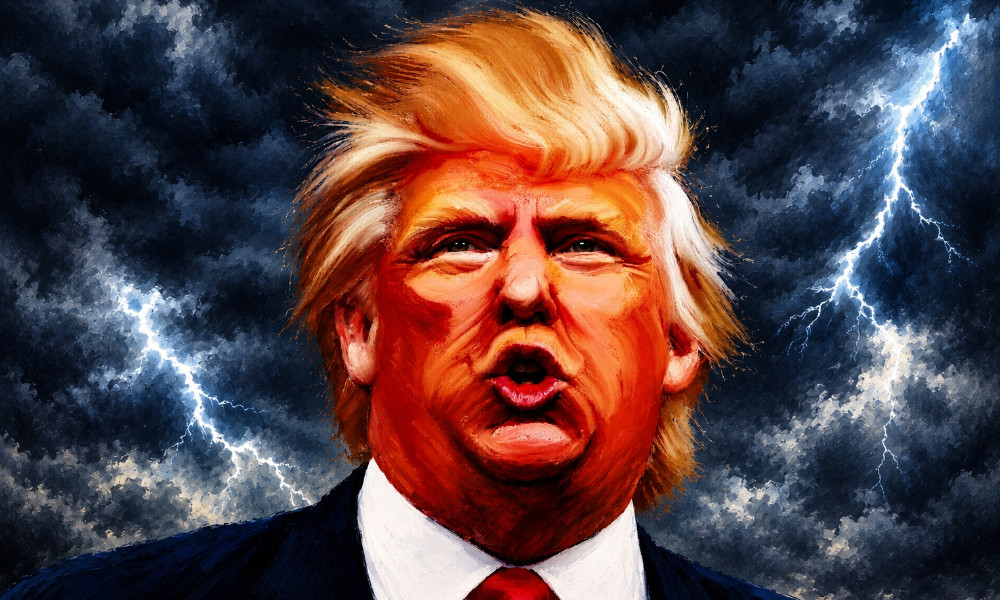
Israel, Brazil, and Serbia have had their say. Tomorrow, Washington DC will once again find itself at the centre of a political drama with consequences which will reach far beyond America’s capital or borders.

For the business & professional events industry, the stakes are more than political. They represent an opportunity to begin the process of re-establishing trust with the world’s most influential power. Or not.

Elections, policy shifts, international tensions and the increasingly unpredictable consequences of geopolitical conflict spawned from Trump 2.0 all influence where organisations choose to meet, whether delegates feel safe enough to travel, and what risks event owners and host destinations must be prepared to manage. The war in the Middle East, for example, reminds us that an event planned with the best of intentions can be overtaken by circumstances that no organiser, venue or destination can control.

In such a climate, it is tempting to think of business events primarily in terms of vulnerability: exposed to travel disruption, shifting regulations, security concerns, economic uncertainty and the changing fortunes of the destinations that host them. But this is only half the story. At precisely the moments when international relationships are under strain, when trust is harder to establish and when the future seems most uncertain, the need to bring people together to exchange knowledge, build relationships, advance common interests and find solutions becomes more compelling, not less. As Mathias Posch, Chair & Partner at International Conference Services (ICS) and past president of IAPCO reminds us, “our industry is the great connector – apolitical, and cross-border”.

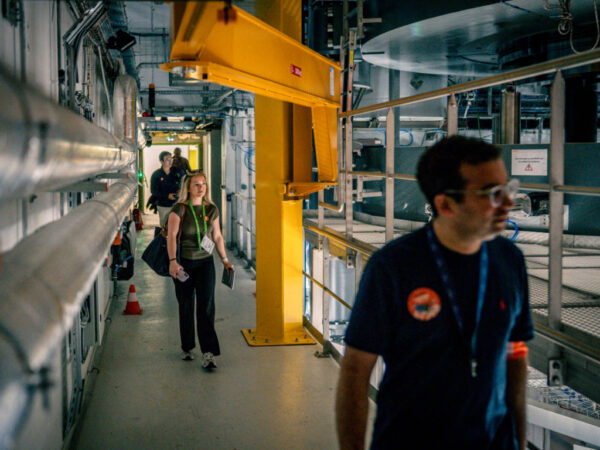
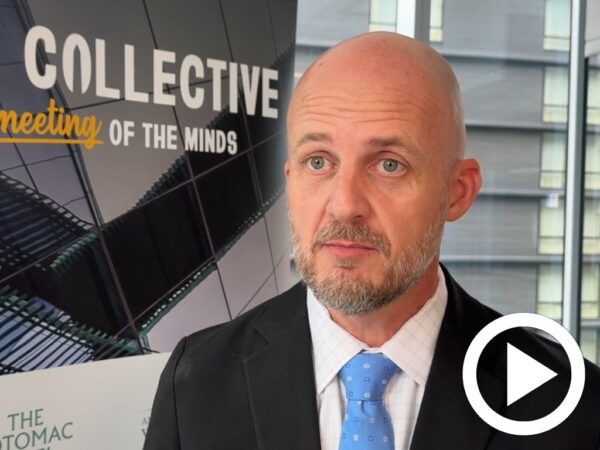
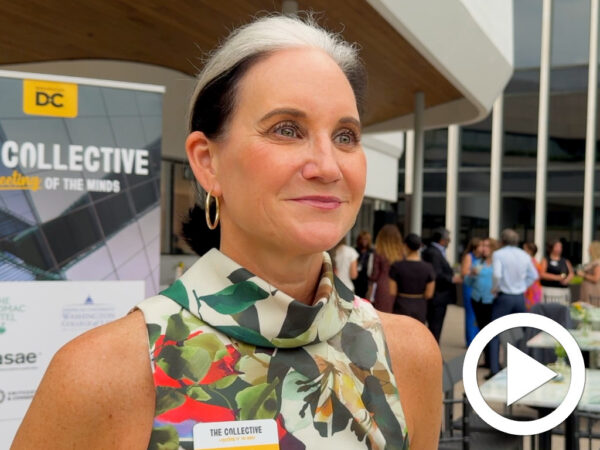
Conveniently, our Lead Feature takes us to Washington DC for The Collective, an apt starting point for an edition that explores both the power of convening and the forces that shape it. In a city where politics, policy and influence intersect, the value of bringing people together extends well beyond the event itself. And with tomorrow’s mid-term result-in-waiting, the relationship between business events, political decision-making and the wider economic and societal landscape could hardly be more pertinent. The question is not simply whether we can continue to meet in uncertain times, but what we can achieve by doing so — and what we stand to lose if we cannot.

Also in Features, we explore the challenges of destination choice in an age of AI, and the strategic importance of relationships, flexibility and trust. These are not abstract questions for a more comfortable future; they are immediate considerations for anyone seeking to attract, organise or deliver events in a world where circumstances can change overnight.

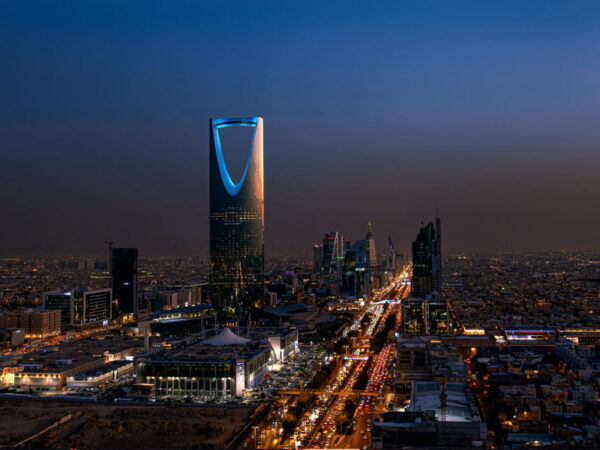
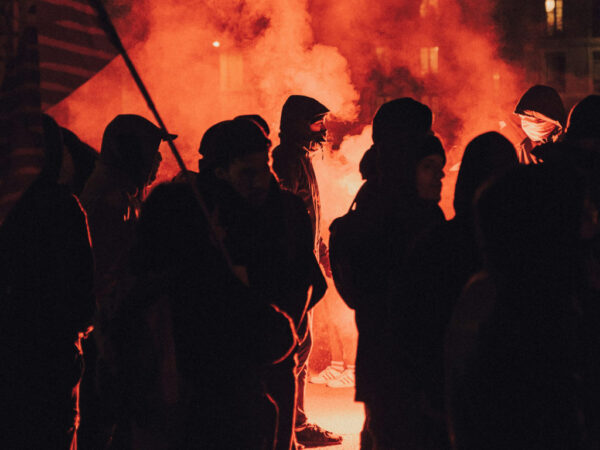
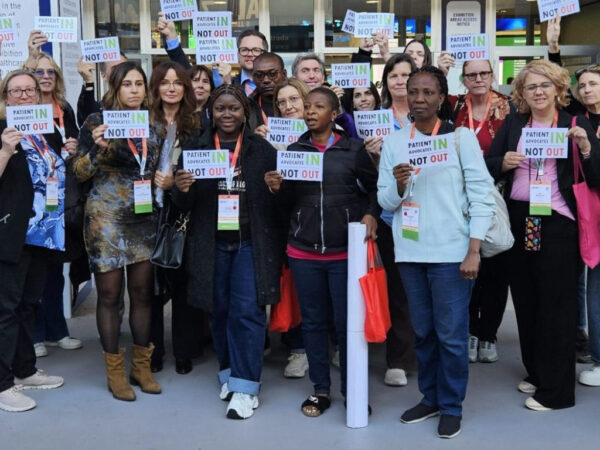
Our News brings these challenges into sharper focus. From the postponement of a major Saudi investment conference amid regional conflict to the unrest and riots in France, the headlines underline the difficult decisions facing event owners and destinations when security concerns threaten the confidence of delegates and the viability of international gatherings. Yet there are also encouraging signs of resilience: new advocacy initiatives, strategic investments including the epic hunting down of Clarion by Informa, and continued efforts to demonstrate the contribution business events make to economies and communities.

Prof. Mike Duignan, editor of the Event Management Journal (EMJ), for example, calls on universities and their Event Management Faculty Professors to connect the Business & Professional Events Sector to student ambition by using the curated AI-enabled resources of The Iceberg Hub – an educational content & advocacy tool – showing students seeking careers capable of delivering social, economic, or societal transformation that the tale of the sector Prof. Leo Jago once described as The Ugly Duckling ends just as happily as that of Hans Christian Andersen…!

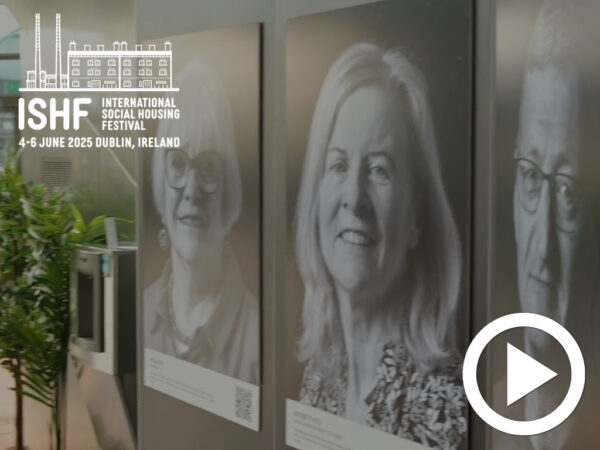
In Case Studies, The Iceberg examines how events translate that ambition into lasting impact — and what becomes possible when impact is designed from the outset. From Dublin’s International Social Housing Festival (ISHF) and the long-term impact of the World Parkinson’s Congress to the relationship between scientific knowledge and public policy, these examples demonstrate how events can create value that extends well beyond their immediate audiences or locations. Whether through community engagement, advances in research, or the translation of specialist knowledge into practical action, their significance lies in what they help make possible – such as the Institute of Navigation’s (ION) 2024 Conference galvanising its GNSS community to identify Cosmos 2546 as Russia’s GPS jamming weapon.

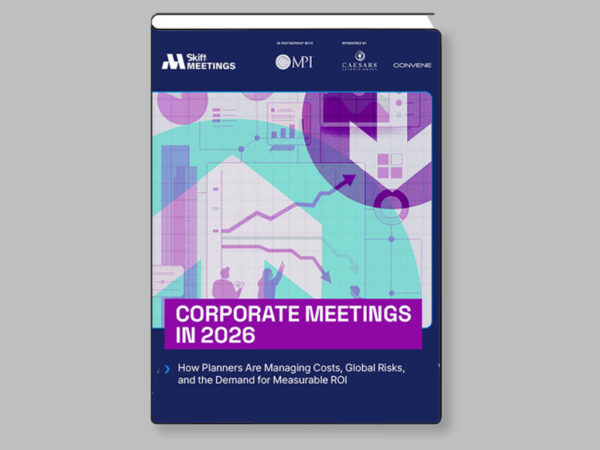
The Reports & Research section offers essential evidence for those navigating this increasingly complex environment. Alongside industry forecasts and market intelligence, we explore exhibition capacity, destination sustainability, the changing economics of corporate meetings, and the opportunities — and limitations — of artificial intelligence. Such evidence matters because good decisions cannot be built on instinct alone.

And in Opinions, our contributors confront some of the questions that matter most: Tommy Goodwin, President & CEO of the Exhibitions & Conferences Alliance, explains how business events can influence policy and deliver lasting advocacy impact while others explain how destinations can build meaningful conference legacies; how we should define and measure the experience and influence of an event; and whether we are sometimes too ready to claim legacy without sufficiently demonstrating it. There are also timely reminders that impact depends on whose voices are included, how relationships are cultivated, and what happens long after the final session has ended.

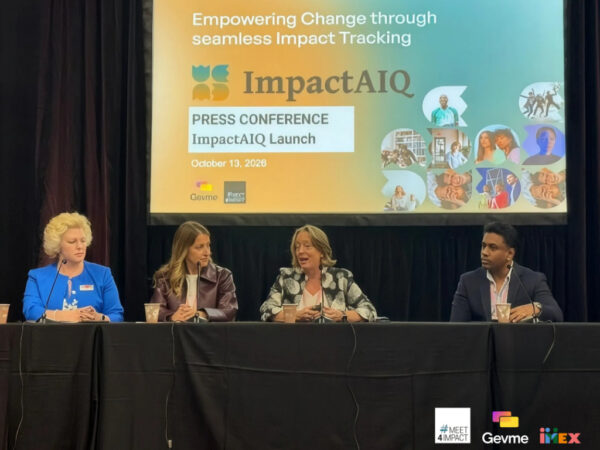
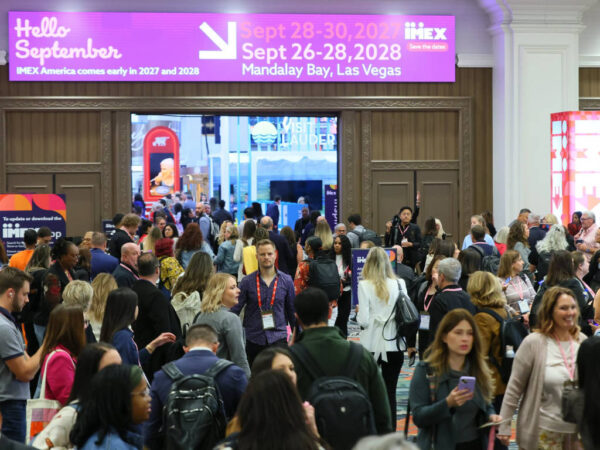
A final thought: we cannot insulate our industry from geopolitical turbulence, political upheaval or the very real safety concerns that accompany them. Nor should we underestimate the responsibility that comes with asking people to travel, gather and participate. Safety must always come first, and resilience demands honesty about the risks we face. But we should also resist the idea that uncertainty makes our work less important. If business events can accelerate scientific progress, strengthen economies, influence public policy, foster understanding and help societies address shared challenges, then their value is greatest not only in calm waters, but when those waters are deepest and most difficult to measure or navigate. (At least we now have the ImpactAIQ tool to do so, announced at IMEX America by #MEET4Impact & Gevme. A gamechanger funded by IMEX & Business Events Montreal.)

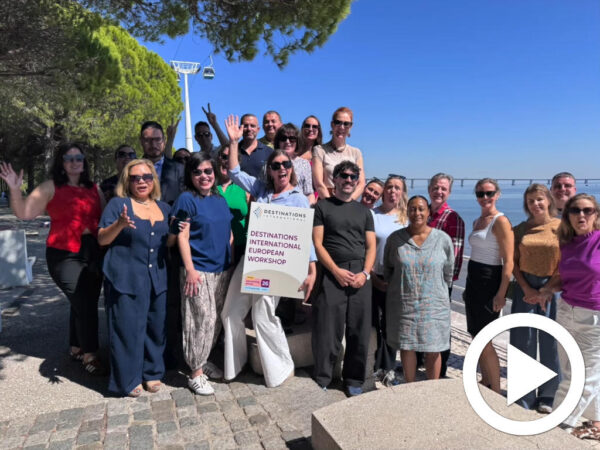
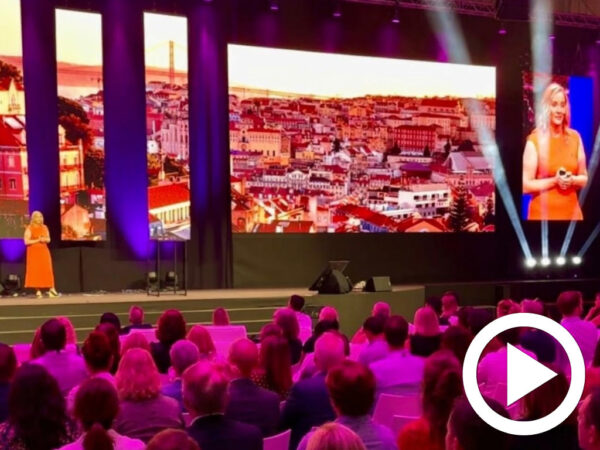
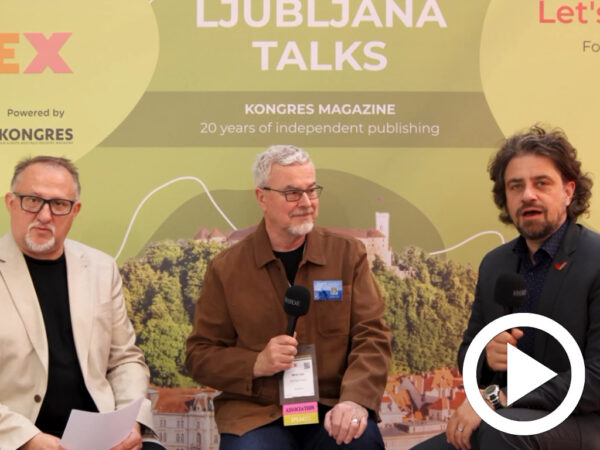
We can, as a Collective, choose how we respond, and how we convey Value over Volume shared c/o The Destination Canada Data Collective by Virginie de Visscher at Destinations International’s 5th European Workshop at PCMA’s Convening EMEA (watch Virginie, Jane Cunningham & Jaime Bennett in News).

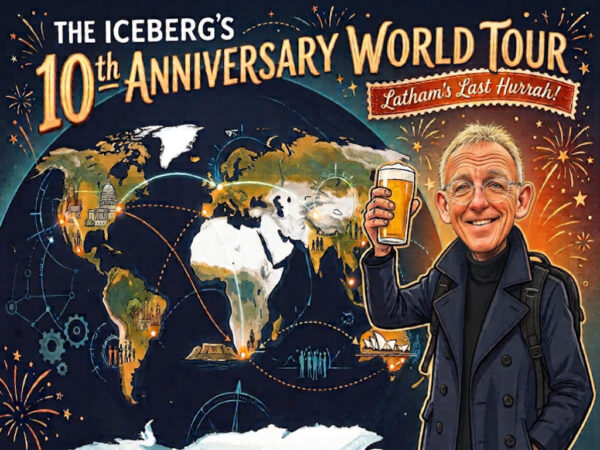
The announcement of The Iceberg’s 10th Anniversary ‘Farewell to Latham’ World Tour, featured in this edition, perhaps illustrates best the power of listening, learning and connecting people, purpose, place, and planet.

The Curator

Features

Showing Featured Features

View all Features

News

Showing Featured News

View all News

Case Studies

Showing Featured Case Studies

View all Case Studies

Reports & Research

Showing Featured Reports & Research

View all Reports & Research

Opinions

Showing Featured Opinions

View all Opinions

Education

Showing Featured Education

View all Education

Events

Showing Featured Events

View all Events

Ambassadors

Showing Featured Ambassadors

View all Ambassadors

Publications

Showing Featured Publications

View all Publications

Partner Spotlight

Showing Partners

View all Partners

Newsletters

Showing Featured Newsletters

View all Newsletters