
ICCA CEO Senthil Gopinath argues that the era of transactional venues selling rooms, tech and m2 is over, and sensitivity to the delegate experience is the key factor for future success: Over the past few years, I have witnessed something remarkable in the business events world: venues are no longer simply spaces where meetings take…

Business Events Sydney (BESydney) welcomes the NSW Government’s Visitor Economy Strategy 2035, which aims to generate A$91 billion in annual visitor spending and 150,000 new jobs by 2035. Developed with input from over 500 stakeholders, the strategy emphasises “Drive Growth Through Events.” BESydney has already secured 66 upcoming events, bringing 46,000 delegates, 174,000 delegate days,…
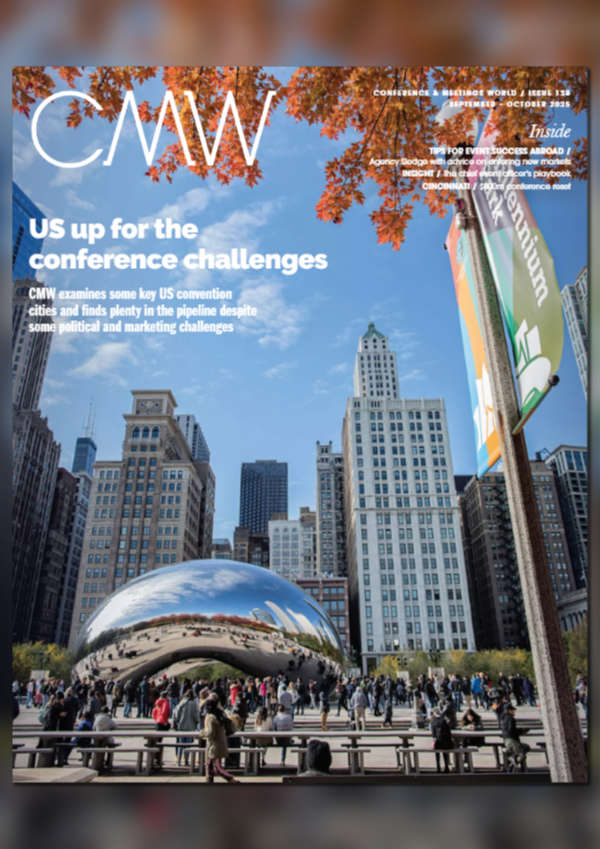
By Kai hattendorf, Global Business Events Industry Strategist: America’s reputation as a tourism and events hub is strained, with travel down, costs rising, and accessibility questioned. How can this be overcome, and what might happen next? Fees, access issues, and image concerns weigh on the country’s standing in the international meetings market…
Business events have long been celebrated for their economic footprint, such as hotel bookings, venue rentals, and restaurant traffic. But what if the true power of a conference lies not in the delegate spend, but in what happens long after the lanyards are packed away? That question is at the heart of Destination Canada’s three-year…
Leading global tourism and business events industry consulting firm, GainingEdge has announced that Steen Jakobsen will begin work as the company’s new CEO on September 1, 2025. Jakobsen has more than 25 years of international experience in the global tourism and business events industry. He served as Director of the Copenhagen Convention Bureau for 14…
James Lancaster, Editorial Director at Northstar Meetings Group, highlights how stricter immigration policies are increasingly affecting international conferences. Visa denials, particularly for delegates from the Global South, limit participation and make global collaboration more difficult, raising questions about inclusivity and the ability to address shared challenges effectively.
When the outbreak of the Russia-Ukraine war forced the International Gas Union to move the 20th edition of the International Conference & Exhibition on Liquified Natural Gas from St Petersburg to Vancouver with only 14 months notice, no-one anticipated the invaluable addition of societal partnerships onto the conference agenda, enabling the event to communicate the…
From GatheringPoint.news, by David Adler: The events industry is the vast ecosystem behind conventions, trade shows, conferences, festivals, and brand experiences—a powerful engine that moves people, money, and ideas. As offices went hybrid and remote, these gatherings absorbed the social, professional, and even romantic collisions that used to happen at work…
ITB China’s new MICE Meeting Point, debuting in Beijing Sept 11–12, has partnered with the China Association of Travel Services’ MICE Committee and the China Advertising Association’s Event Marketing Committee. The collaboration aims to drive professional development, foster international cooperation, and connect global resources with China’s evolving business events industry.
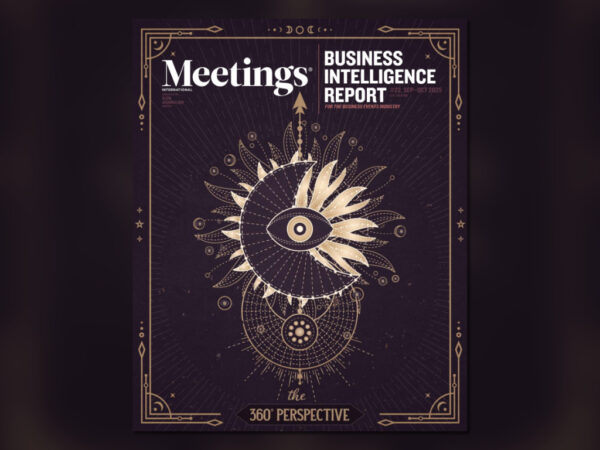
Sarawak has once again made waves in Malaysia’s business events scene by returning to EventXpo 2025 with bigger goals and a stronger presence – reaffirming its role as Malaysia’s capital of legacy-driven business events. BESarawak unveiled LEGACY360, a legacy forum with five pillars (Advocate, Educate, Advance, Recognise, Support), and other initiatives. From BESarawak…
By Kai Hattendorf, Global Business Events Industry Strategist: I rarely report on single conference sessions, but recently in Singapore there was one that stood out to me, as it really showed the regional take on geopolitical developments. My take: The region is no longer waiting for Washington, as panelists shared their assesment that, while the…
David Adler raises important issues on the necessity of attending meetings with people who hold diverse perspectives, and the more important point that governments have a responsibility to encourage participation and to participate in such meetings themselves. International meetings shouldn’t become echo chambers if they are to educate their participants and identify solutions to problems.
From Skift Meetings: The sharp decline in global attendance at a recent international medical congress is more than a one-off, it’s a red flag. As political rhetoric escalates, the US is becoming a less viable destination for truly international meetings. Attendance at the International Society on Thrombosis and Haemostasis Congress in Washington, DC this June…
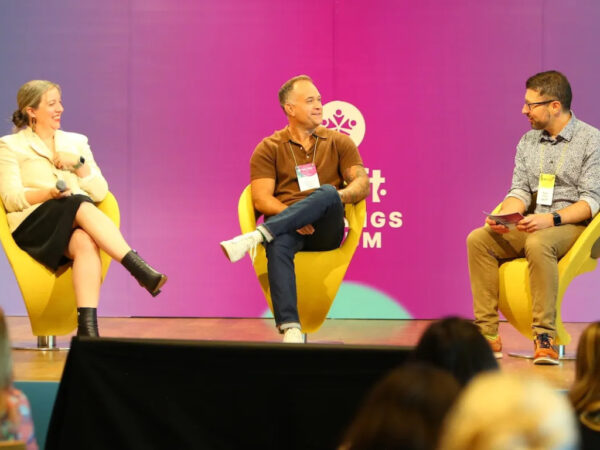
From Skift Meetings: Budgets are tighter, audiences are more diverse, and the old event playbook is cracking under pressure. Skift Meetings Forum tackles the real-world shifts redefining how event pros plan, prove value, and make destination decisions. There’s no shortage of “trends” floating around in eventland – some recycled, some wishful thinking, and some straight…
From Skift Meetings: Dr. Steven G. Rogelberg says meetings are a bigger expense than IT when you add the cost of attendees’ time and salaries. So why is no one at the top in charge? Few corporations view meetings as a critical business function and there’s no one at the executive level who actually owns…
From Centre for Events & Festivals: Why do some international meetings keep circling the same regions, while others roam the globe? Behind every association event is a quiet game of geography, power, and preference — one that shapes who gets access to knowledge, influence, and economic return. While host cities compete aggressively to secure International…
From Freeman: Today’s attendees aren’t satisfied with small talk. They want real, genuine connections, and fresh industry insights. They want a new kind of networking. This component of Freeman’s XLNC Framework (eXperience, Learning, Networking, and Commerce) gives new insights to drive measurable event value by strategically designing modern networking experiences.
From GatheringPoint.news: For too long, the event industry has treated networking like a natural resource — abundant, automatic, and free. Put people in a room, offer wine, dim the lights, and wait for something to happen. Connection, we’ve assumed, is a given. It isn’t. And Freeman’s 2025 Networking Trends Report says so—finally and forcefully.
Powered by