
Tag: Boardroom

Purpose is Everything
From Boardroom, by Words Sven Bossu: A powerful campaign by Brussels Airport is a reminder that purpose can change how we see even the most familiar infrastructure. For convention centres, the challenge is to tell the stories that demonstrate how international congresses bring communities together and create lasting impact far beyond their walls.

Operational Longevity: Rethinking the Role of Trade Associations in China
In this four-part series, Boardroom and Kellen China explore how international associations can build lasting influence in China. From rethinking their strategic role to becoming trusted resource connectors, the series examines evolving market dynamics, local partnerships and practical ways to turn global expertise into meaningful value for Chinese enterprises and members.

Barcelona’s Legacy Playbook Widens Its Reach
In Boardroom, Christoph Tessmar shares how the Barcelona Convention Bureau has built dedicated community legacy projects around six congresses, testing how far its Legacy Playbook can stretch across entirely different fields of science. The initiative explores how congresses can create meaningful, lasting benefits for local communities, extending their impact far beyond the event itself.
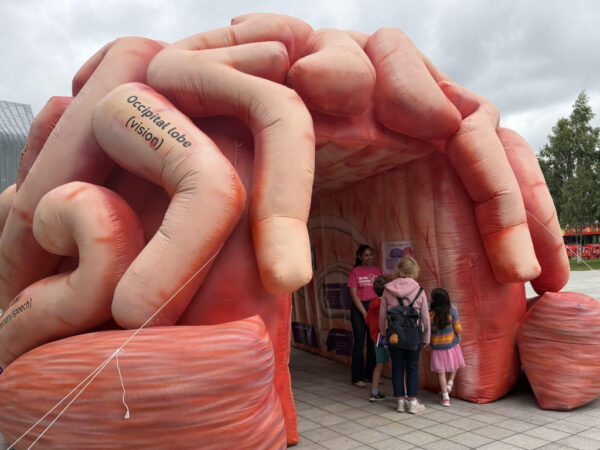
How a Neuroscience Congress Left Glasgow With More Than an Economic Footprint
The 37th World Congress of Neuropsychopharmacology, held at Glasgow’s Scottish Event Campus in June, brought roughly 800 delegates to the city, but then let brain science loose on the unsuspecting Scottish public, via a giant inflatable brain, attracting 5000 people to learn more about brain health and how our most sophisticated organ functions. From Boardroom…
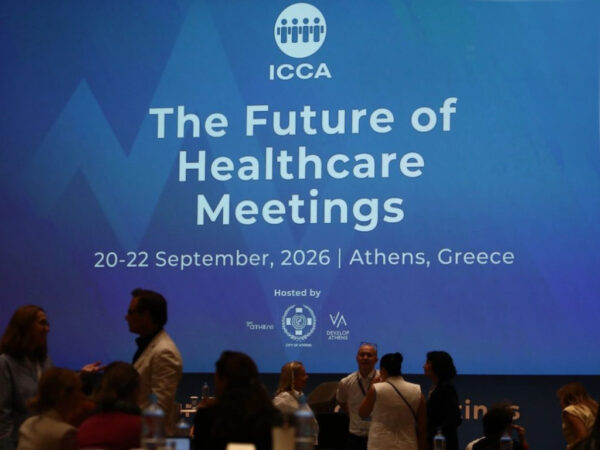
ICCA’s Future of Healthcare Meetings Calls for Radical Relationships Rethink
Association leaders and meetings industry professionals gathered in Athens for the latest edition of ICCA’s Future of Healthcare Meetings, held 20-22 September at the Megaron Athens International Conference Centre, with a clear message: stop calling it sponsorship, use AI strategically and rethink supplier-buyer relationships. From Boardroom…
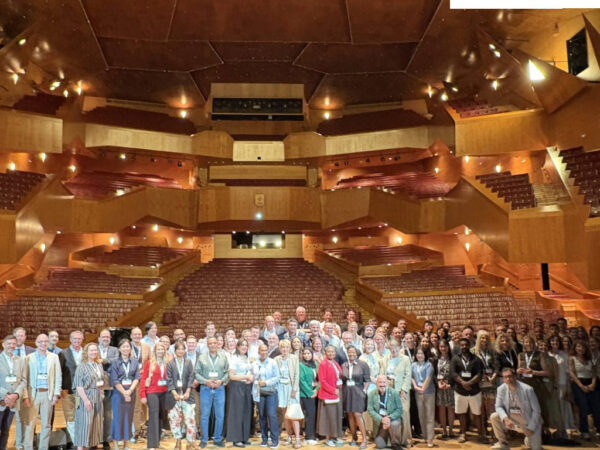
What AIPC Bilbao Means for the Future of Association Meetings
Senior executives from the global convention centre-community recently gathered in Bilbao for the AIPC Annual Conference, under the theme “Bridging the Gap: Venues Connecting Human Experience and Innovation.” But beyond the technology on display and the venues discussed, one question dominated: what is a congress now expected to achieve, and for whom? From Boardroom…
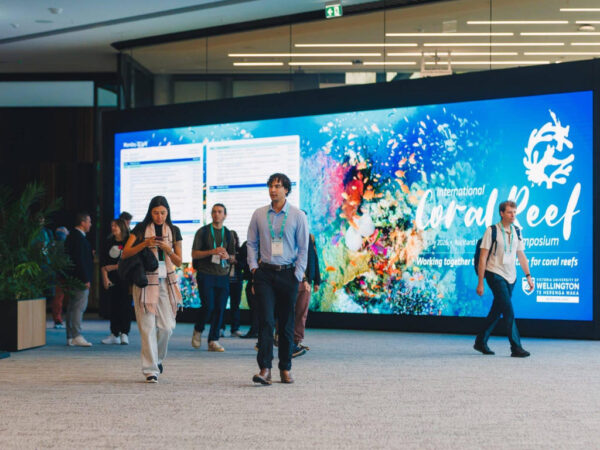
Working Together to Ensure the Future of Coral Reefs
The International Coral Reef Symposium, a leading scientific conference on conservation, climate science and ocean sustainability, held its 16th edition at New Zealand International Convention Centre, Tāmaki Makaurau Auckland. The location gave space for Pacific peoples’ own perspectives, reinforcing the case for combining Indigenous knowledge with scientific research on reefs worldwide. From Boardroom…
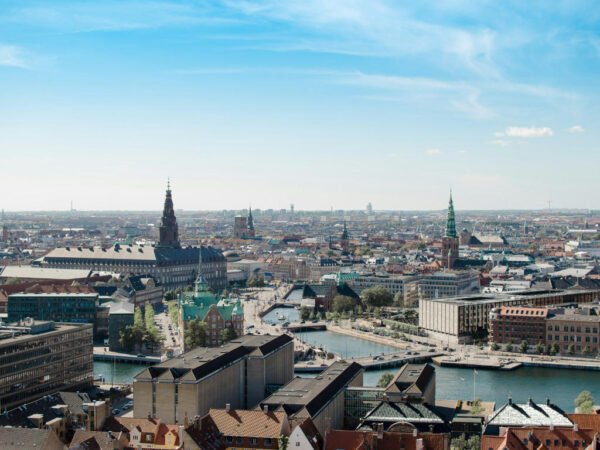
Copenhagen’s Life Science Meetings Edge
Copenhagen’s life science congresses are being asked to do more than convene international specialists. Through Valuable Meetings, a MeetDenmark project supported by the Danish Board of Business Development, the city is exploring how congresses can become active platforms for sector development, connecting global associations with Danish research, healthcare, companies and innovation networks. From Boardroom…
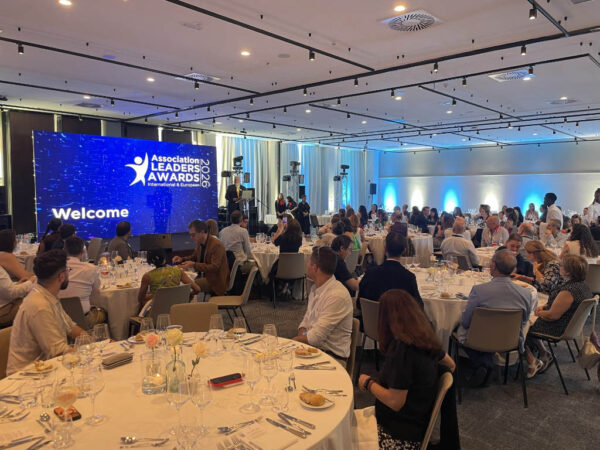
Postcards from the Associations World Congress 2026
Organised by the Association of Association Executives, the Associations World Congress took place in Portugal this year, setting up camp at the Lagoa Congress Centre and the Tivoli Carvoeiro Algarve Resort for three days of debate, collaboration, and an industry doing some serious reckoning with its own future. From Boardroom…

Mission Sydney: An International Astronautical Congress Case Study
When the 76th International Astronautical Congress convened at ICC Sydney in 2025, Sydney became host of one of the world’s most strategically charged sectors. Space agencies, governments, scientists, engineers, commercial suppliers, students and the public gathered in Darling Harbour at a congress that reflected the ambition and complexity of the global space economy. From Boardroom…
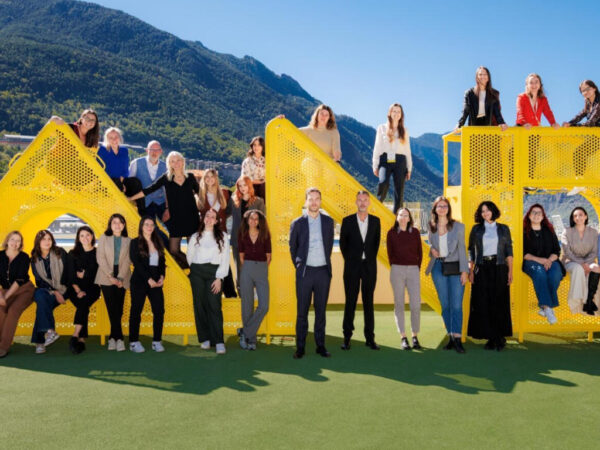
How the European Network of Living Labs Took Its Annual Conference Outside
Citizen engagement was the prime objective of this initiative by the European Network of Living Labs, who transformed Andorra la Vella’s main square into a conference space, earning them the Event Innovation Award at the European Association Awards 2026. A great example for other associations aiming to break out of their traditional “bubble”. From Boardroom…
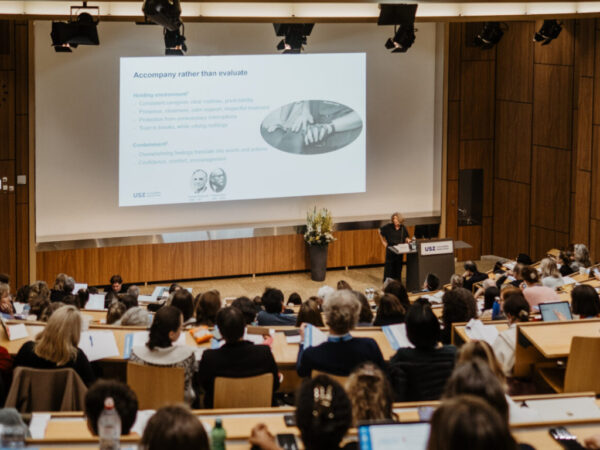
How Zurich Turned Obstetrics Expertise into Public Legacy
Organisers of Masterclass Zurich 2026 – Vaginal Birth, hosted by the Department of Obstetrics, University Hospital Zurich, created a public-centred initiative designed to bring specialist knowledge into the city. while the congress gathered around 200 physicians, specialists, and midwives, mainly from the DACH region, the accompanying legacy project aimed to reach residents directly. From Boardroom…
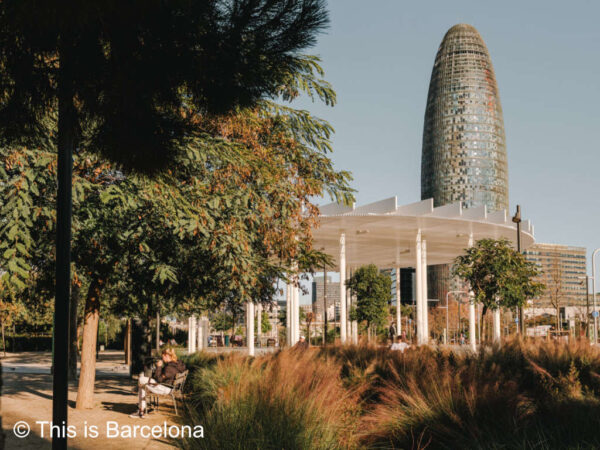
Barcelona’s Legacy Playbook Takes Shape with ECTRIMS 2025
The congress of the European Committee for Treatment and Research in Multiple Sclerosis demonstrates the impact of Barcelona Convention Bureau’s Legacy Programme, where intentional impact planning brought scientific advances closer to patients, encouraging their participation in research, whilst educating Barcelona’s business community about stigma around MS and building more inclusive workplaces. From Boardroom…

Crisis as the New Normal for Global Meetings
As geopolitical instability continues, organisers are under growing pressure to respond quickly, communicate clearly and reassure clients when disruption strikes. Boardroom’s Vicky Koffa interviews Kenes Group CEO Ora Lahav on why crisis readiness should no longer be treated as an occasional capability, but needs to become part of an international event organiser’s everyday operating mindset.
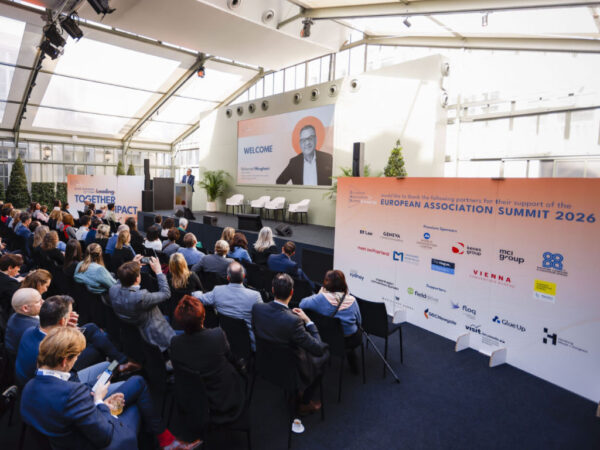
Leadership, Foresight, & Relevance at the Forefront of the European Association Summit 2026
Boardroom’s Vicky Koffa and Remi Deve summarise the key issues, opportunities and challenges discussed at the recent EAS 2026, all of which provide vital insights for business events suppliers and destinations interested in better understanding the current thinking and priorities of their association clients. An important conclusion: collaboration has become a strategic necessity.
How Associations Can Stay Neutral, Resilient, & Mission‑Driven
ICCA CEO Dr Senthil Gopinath argues that despite all today’s geopolitical pressures, associations can still remain both neutral and resilient. But what they have to accept is that disruption, uncertainty and ongoing threats are the “new normal”, not anomalies that will swiftly pass on by. From Boardroom…

What Geopolitical Resilience Actually Means for Associations
International association meetings can find themselves in the frontline when geopolitical conflicts erupt. This Boardroom feature by Pamela Wilton explores the implications of key risk factors, illustrates why associations can no longer argue that they are “apolitical by nature”, and outlines how to build a geopolitical resilience framework.
PARTNERS










Powered by